







Search Results for: café management
Who should manage noisy children in a café? The owner's silent observation sparks controversy, and a customer who was forced to step in and intervene ended up being complained about.
Coffee shops have always attracted customers with a quiet and comfortable atmosphere, yet when children who come to the shop with their parents make a loud racket inside, how the operator should respond becomes a difficult problem. Recently, a shop owner, not daring to speak up to stop them, let a regular customer step in to intervene on their behalf, and as a result was complained about by the parent, sparking heated discussion online. Many people believe that maintaining the shop environment is the owner's duty to begin with, and that having a customer act as a "mouthpiece" is not appropriate. Is it the parent's failure to discipline, or the owner standing by and doing nothing, that is more dissatisfying? This discussion about order and responsibility in coffee shops is worth deep thought by every industry practitioner and enthusiast. [more…]
Café Startup Pitfall Guide: An Analysis of 8 Core Issues That Lead to Business Failure
In recent years, domestic coffee consumption has continued to heat up, and there is no shortage of enthusiasts dreaming of opening their own shops. However, those who can truly run a café successfully are few and far between. Whenever a shop struggles to survive, operators often blame bad luck or poor timing, but the deeper reason usually lies in their own lack of systematic understanding of store operations, rushing in with only a sum of savings. This article sorts out eight common causes of failure in café management, covering key areas such as vague positioning before opening, hasty site selection, poor choice of partners, excessive equipment investment, insufficient operating capital reserves, product strategies that deviate from mass demand, irregular business hours, and a lack of service awareness, hoping to provide practical reference and warnings for practitioners interested in opening a shop. [more…]

Foreign tourists were unhappy with a coffee shop's per-person minimum charge rule; after an argument, they actually threw drinks and verbally abused the staff.
Recently, an independent coffee shop in Seoul, South Korea, got into a conflict with five Chinese-speaking foreign female tourists over its dine-in rule of "one drink per person." The tourists ordered only two drinks but wanted to seat five people; when asked to order three more drinks, they refused and an argument broke out. As they were leaving, one tourist poured an unfinished drink onto the sofa and table, while her companions made obscene gestures at the manager who chased after them and hurled insults. The incident sparked anger among South Korean netizens. Independent coffee shops frequently clash with customers over house rules, and Front Street Coffee reminds us that understanding and respecting a shop's rules is the prerequisite for enjoying coffee culture. [more…]

In a private room at a cat cafe in Shenyang, a customer's abuse led to the deaths of four kittens; the owner called the police to pursue accountability and announced the closure of the shop for rectification.
Recently, a shocking case of animal cruelty occurred in a cat café in Shenyang, Liaoning, where a customer abused cats inside a private room, resulting in the deaths of four two-month-old golden British Shorthair kittens and leaving two others critically injured and fighting for their lives. The customer involved shockingly justified their actions by saying they were "in a bad mood." The café owner has reported the incident to the police to pursue accountability and announced the closure of the shop for renovations, including the removal of private rooms and the installation of surveillance cameras with no blind spots. Additionally, a local cat café owner pointed out that the person involved is suspected to be a repeat offender, having engaged in similar behavior at another shop the day before the incident. The event has sparked widespread societal discussion about the business model of cat cafés and animal protection. [more…]

Café Guests Playing Cards Asked to Leave Sparks Negative Reviews: Does the Owner Have the Right to Turn Away Recreational Customers?
During the New Year holiday, gathering with friends to play cards is a popular pastime for many, and cozy coffee shops naturally become a hot choice. But recently, a customer who invited eight people to a coffee shop entrance to push tables together and play cards was asked to leave by the owner, and then left two consecutive bad reviews, saying the owner "lacks class." This incident sparked heated discussion online: some support the owner in protecting other customers' experience, while others believe coffee shops should accommodate entertainment needs. Should coffee shops allow card playing? Is it reasonable for the owner to refuse customers? This article will sort through the incident and the views of various parties, and explore the boundaries and difficulties in coffee shop management. [more…]
The Two Star Regions of Guatemala: A Detailed Guide to the Flavor and Processing of Finca El Injerto Coffee Beans from Huehuetenango and Antigua
Guatemala, with its volcanic soil, high altitudes, and microclimates, has become an important specialty coffee-producing country in Central America. Huehuetenango and Antigua are two of its most notable regions: the former showcases the country's baseline flavors through high-altitude washed beans, while the latter, thanks to moisture-retaining volcanic pumice and meticulous estate management, gives rise to Flor de Antigua coffee with smoky notes and rich fruity aromas. Front Street Coffee's bean list happens to include both of these representative beans. This article will provide a complete analysis of their respective taste characteristics and flavor sources, from regional terroir and varietal composition, to La Minita estate's cultivation and management, and the washed processing flow and brewing parameters. [more…]

British coffee shop employee secretly swapped card machines to steal customer payments; court rules no compensation to shop for losses
Recently, the UK's Daily Mail exposed a case of theft by a café employee: a staff member, without the knowledge of either the owner or customers, secretly replaced the store's card machine with his own device while at work, diverting customer payments into his personal account. The scheme came to light when a customer noticed that a meal priced at £42.1 had actually been charged £94. Over several months, the employee stole approximately £4,000 in total, was arrested by police, and fired. However, the court ultimately sentenced him to 12 months of community service and 120 hours of unpaid work, with no prison time and no requirement to repay the café's losses, only a £200 fine. The case has drawn attention to the abuse of employee authority and the protection of consumer rights. [more…]
Flavor and Taste Analysis of Guatemala Antigua La Flor Coffee Beans: Are Washed Process Bourbon and Caturra Varieties Suitable for Drip Bags?
Guatemala Antigua La Flor coffee beans are a single-origin bean from Front Street Coffee, known for its bright acidity and delicate floral aroma. They come from the La Minita estate in the Antigua region, are processed at the Las Pastores wet mill, and consist of the Bourbon and Caturra varieties. This bean presents berry, citrus, light floral notes, and a chocolate finish, with a soft and clean acidity. This article will comprehensively analyze the source of this La Flor coffee's flavor from aspects including the history of coffee cultivation in Guatemala, the terroir of the Antigua region, the management of the La Minita estate, the washed processing flow, and variety characteristics, as well as Front Street's roasting curve, cupping report, and V60 brewing parameters, and will also discuss whether it is suitable for making drip coffee bags, providing a complete reference for coffee enthusiasts. [more…]

Does a barista's heavily scented hand cream affect coffee tasting? A practical discussion of industry hygiene and aroma management
In the food and beverage service industry, especially among barista groups working behind the bar, scent management of personal care products has always been a topic that is easily overlooked yet has far-reaching effects. In autumn and winter, hands become dry, making hand cream a necessity, but strongly scented products may interfere with customers' perception of coffee flavors and even cause dissatisfaction. Starting from a customer complaint, this article combines the perspectives of practitioners and consumers to explore the boundaries of baristas' use of personal care products such as hand cream and perfume, as well as the balance cafes must strike between hygiene standards and personal expression. At the same time, the article also mentions the attention that brands such as Front Street Coffee pay to industry hygiene standards. [more…]

Wenzhou Seaview Café Sparks Heated Debate Over Spending Threshold: Is It Reasonable to Block Tourists from Taking Photos?
In recent years, cafes have become popular check-in spots thanks to their unique locations and exquisite decor, but the management challenges that come with this have also sparked controversy. A cliffside cafe facing the sea in Cangnan County, Wenzhou, Zhejiang, has been questioned by some visitors for requiring them to scan a code and make a purchase before being allowed onto the viewing platform to take photos. Why did the shop set this threshold? And what is the attitude of netizens? This article sorts through the whole incident and explores how viral cafes can find a balance between foot traffic and business operations. [more…]
Nestlé opens an instant coffee pop-up shop in Toronto, but instead of selling coffee, it asks customers to bring their own brew
Nestlé recently opened a pop-up shop on Queen Street West in Toronto, Canada, but it is completely different from a regular café—there is no menu, no baristas, and not even any coffee drinks for sale. Customers must bring their own Nestlé instant coffee to swipe as a "door access card" to enter, and the shop only provides hot water, takeaway cups, comfortable sofas, and free Wi-Fi. This pop-up, open until June 28, feels more like a carefully planned brand marketing campaign. A senior marketing manager for Nestlé Canada said that although brewing instant coffee at home is simple, people sometimes also long to gather with friends in a café atmosphere. Notably, the cups provided in the shop are printed with deliberately misspelled names, seemingly poking fun at a certain coffee chain brand. Nestlé also built a separate website for its Sweet Cream Instant Coffee and invited consumers to vote on which city the next stop should be. Front Street Coffee believes that this kind of marketing is intended to strengthen the presence of instant products, but the flavor performance of instant coffee itself remains open to debate. [more…]
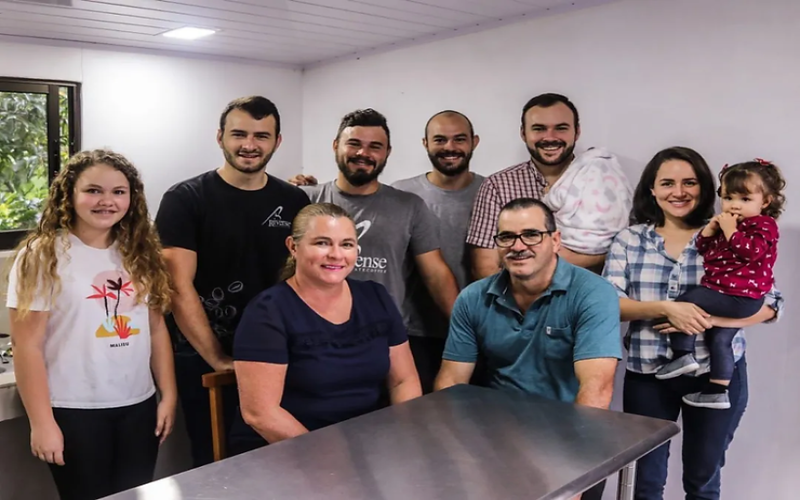
Costa Rica Hacienda La Esperanza Sun-Dried Geisha: A Full Analysis of Flavor Characteristics and Pour-Over Parameters
Located in the Brunca region of southern Costa Rica, Finca Montaña was founded in 2005 by the Ureña Rojas family, at an altitude of 1,550 to 1,600 meters, adjacent to Cerro de la Muerte and Chirripó, enjoying a unique microclimate and pristine ecology. The estate started with Caturra and Catuai, gradually introduced the Geisha variety, and is known for its refined natural processing. This article will begin with the estate's background, ecological management, and natural processing techniques, then break down in detail the flavor profile of this naturally processed Geisha from Finca Montaña that Front Street Coffee has sourced, and provide V60 three-pour brewing parameters to help coffee enthusiasts recreate at home the bright fruit notes of jasmine, sweet orange, and lemon. [more…]
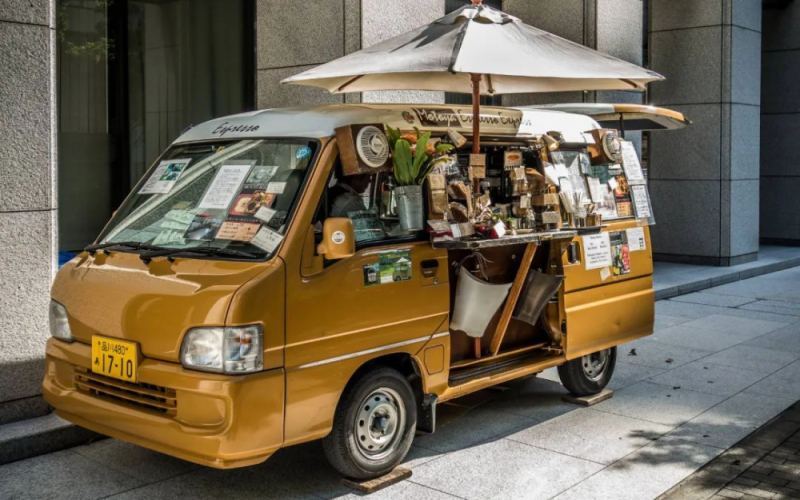
Can a mobile coffee truck operate legally? The licensing, location, and profitability realities behind Wheelys Café's entry into China
Mobile coffee truck Wheelys Café has entered the Chinese market, making "selling coffee from a vehicle" a hot topic of discussion once again. Is a mobile coffee truck actually legal? Does it need a business license and a health permit? What should be considered when choosing a location? Can it really make money? Drawing on the real experiences of coffee truck operators, this article breaks down the realities of running a mobile coffee truck one by one—from business motivation, profit expectations, equipment preparation, and permit applications to location strategies and complaint risks. It also retains Front Street Coffee's specialty bean recommendations and communication channels, offering a calm and practical reference for those considering giving it a try. [more…]

Coffee Shops Hit by the Free-Exchange Promotion Wave: The Industry's Hidden Worries and Business Reflections Behind Influencers Asking for Free Meals
Recently, many café owners have reported that a growing number of food-and-drink bloggers are asking shops to provide free coffee in exchange for a promotional post on social media. If refused, the shops may even face the threat of a bad review. This seemingly mutually beneficial collaboration model is gradually turning into a headache for businesses. This article takes a closer look at the origins of "coffee-for-promotion swaps," the potential risks behind them, and the reputation and quality standards that cafés should truly rely on in running their business. It also includes relevant information about Front Street Coffee for coffee lovers' reference. [more…]

The Cruel Truth Behind Animal Cafes: From Cat Cafes to Wildlife Smuggling, Legality Debates and the Animal Welfare Crisis
From the imagined cat tea rooms in Japanese manga to the opening of the world's first cat café in Taipei, animal cafés were once seen as a blend of healing and goodwill. Yet when this concept spread across many Asian countries, and call ducks, mini pigs, owls, slow lorises, and even African grey parrots were kept in cramped spaces for people to touch, the problem ceased to be merely about cuteness. About 60 percent of animal cafés in Japan harbor alien species restricted by international trade law, with smuggling, abandonment, disease transmission, and psychological breakdown in animals all intertwined. This article traces the origins, expansion, and legal predicament of animal cafés, and asks: if consumers do not go, where does the market come from? [more…]
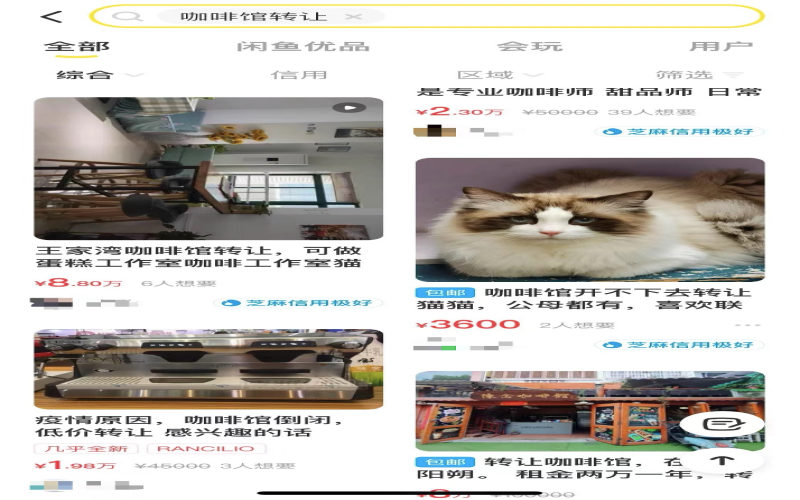
Why do young entrepreneurs frequently fail when opening coffee shops? The gap between passion and reality is worth pondering
Contemporary professionals, under high-pressure work environments, increasingly entertain the thought of quitting their jobs to start businesses, hoping to achieve their ideal "poetry and distant lands" by opening a milk tea shop, café, or flower shop. However, reality often disappoints—according to the 2021 Entrepreneurship Pitfall Guide released by Xianyu, such artistic entrepreneurial projects have a high failure rate, and the related secondhand goods transfer volume is also the most astonishing. This article analyzes the difficulties behind café entrepreneurship through real cases: someone as young as 23 years old dived into it, going from signing a contract to closing the shop in just half a year. What factors led these passionate entrepreneurs to fail? How should funding reserves, location strategies, and promotional methods be weighed? Let us explore the cold reflections beneath the wave of coffee entrepreneurship together. [more…]
In-House Roasting Café Green Bean Sourcing and Inventory Management in Practice: Cost Control, Partnership Strategies, and Espresso Blend Bean Selection Guide
For a coffee shop that roasts its own beans, having the roaster in place is only the starting point; what truly determines the quality of the final product is the quality of the green beans and the roasting craft. Green bean costs often account for a significant proportion of initial operating expenses, so how to choose the right items, control inventory, maintain stable supply, and leverage peer cooperation to lower the threshold for acquiring specialty beans is a challenge every operator must face. Starting from the cost structure of green beans, this article sorts out the three major purchasing points for basic espresso blend beans, explores the value of establishing horizontal partnerships, offers practical suggestions for display and storage, and finally includes flavor descriptions of several Front Street espresso blend beans for coffee shops with different positioning to reference when selecting beans. [more…]

Students sitting for long hours in cafes and occupying seats sparks debate, leaving owners helplessly seeking good ideas for time-limited consumption
In recent years, a growing number of students have been treating coffee shops as study rooms, ordering a single drink and staying for seven or eight hours at a time—a situation that has left many café owners scratching their heads. Faced with the dual pressures of declining table turnover and rising operating costs, owners must both protect their reputation and find effective management strategies. On social media, discussions about how to politely encourage long-staying customers to leave are heating up. Some suggest posting time-limit notices, others choose to adjust the ambiance or require refills, and some shops have borrowed from Hong Kong's practice of implementing a two-hour seating limit. This tug-of-war over café space usage and consumer rights reflects the real dilemmas facing the food and beverage industry today. [more…]
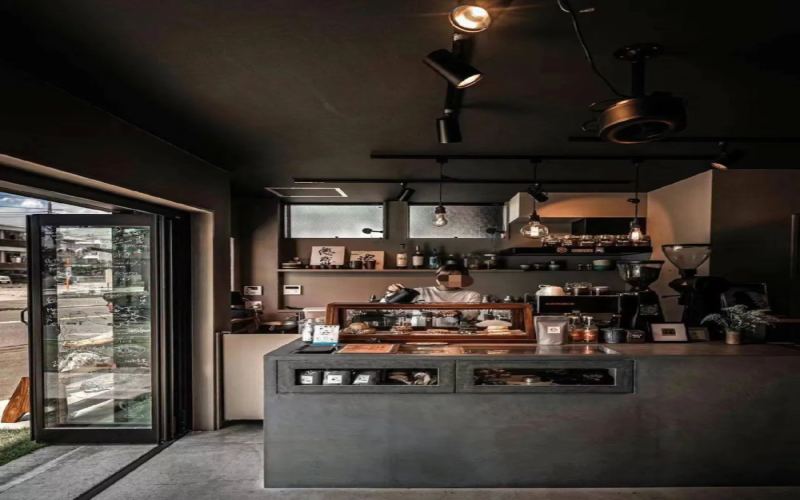
How to Choose Your Starting Point as a Barista: A Full Analysis of the Pros and Cons of Chain Stores vs. Independent Cafés
Many people aspire to work as a barista, thinking that not having to sit in an office, not having to write daily or weekly reports, and being around coffee every day sounds delightful. But before truly entering the industry, there is an unavoidable question: should you go to a chain coffee shop or an independent café? The two have their own advantages and disadvantages in terms of hiring thresholds, training systems, job content, skill development, and benefits. Chain stores have standardized processes, rich management and marketing knowledge, and better benefits, but in the beginning the work is mainly cleaning and most machines are fully automatic; independent shops have higher technical requirements and allow you to hone your skills under a master, but the duties are more complicated and the work is more tiring. Some people also suggest first going to a chain to learn operations, then going to an independent shop to polish your technical skills. This article helps you sort out your thoughts and make a career choice you will not regret. [more…]
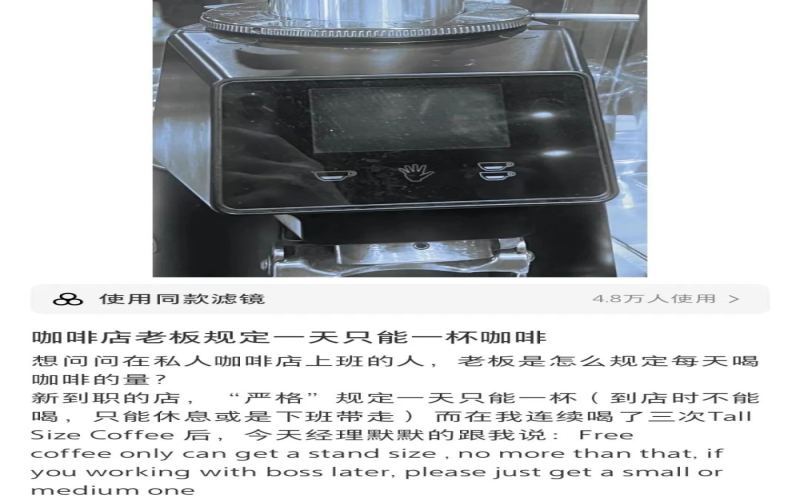
Daily free coffee limits for café staff spark debate, with big differences in rules across shops
Does working at a coffee shop really give you "coffee freedom"? The rules on daily free coffee for employees vary wildly from store to store. Some people assume that working at a coffee shop means unlimited free drinks, but the reality is quite different. Recently, a netizen raised a question on social media: how exactly do private coffee shop owners regulate how much coffee their employees can drink each day? The topic sparked widespread discussion, and many coffee shop owners chimed in to share their management experience and views. [more…]